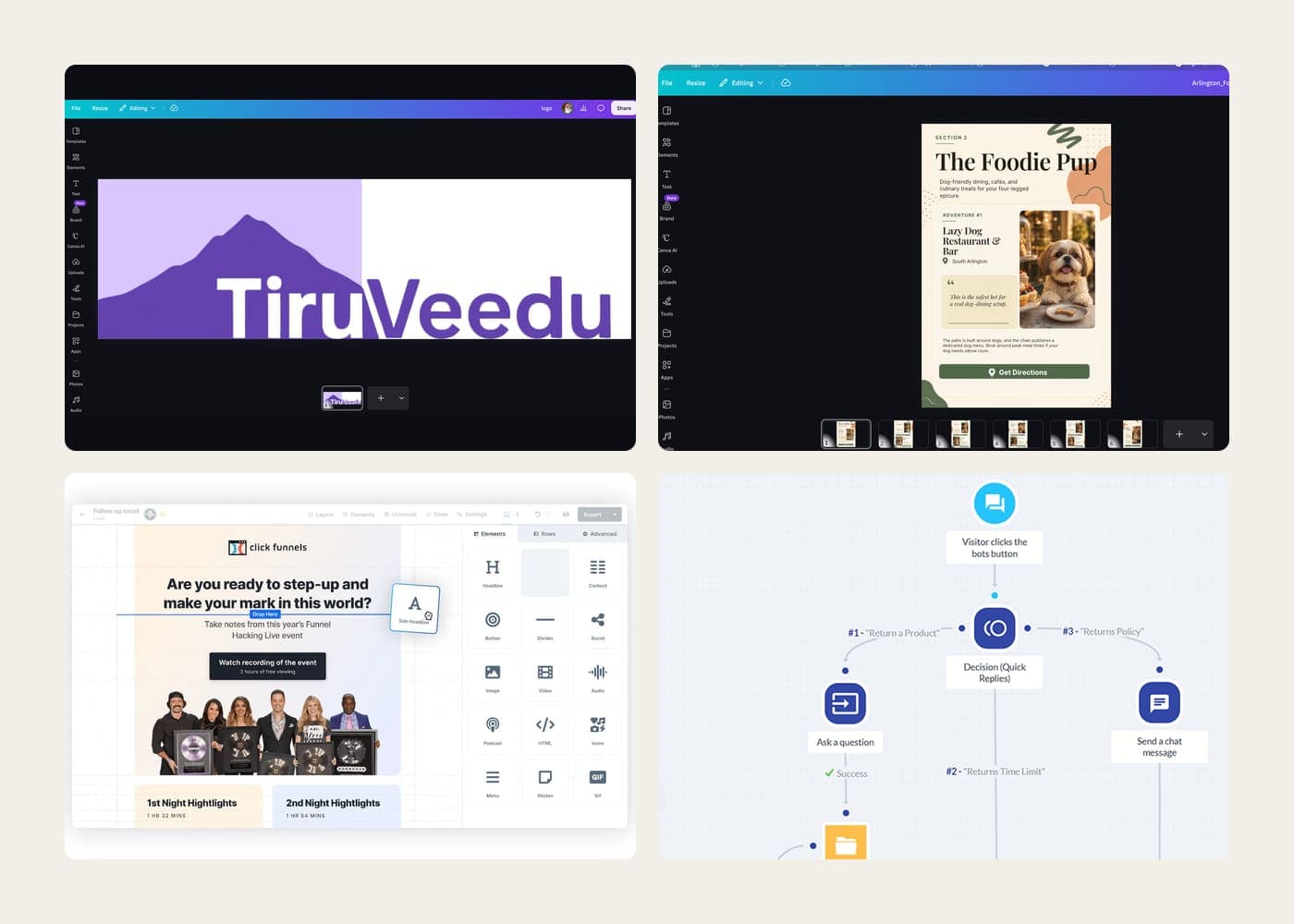
Before conversational AI, I was already building without code: creative work, marketing funnels, drag-and-drop pages, and chatbots whose every branch had to be written in advance.
The tools changed over time. The instinct stayed: find a real problem, make something useful, and learn while doing it.
Chapter 2
A computer I could talk to
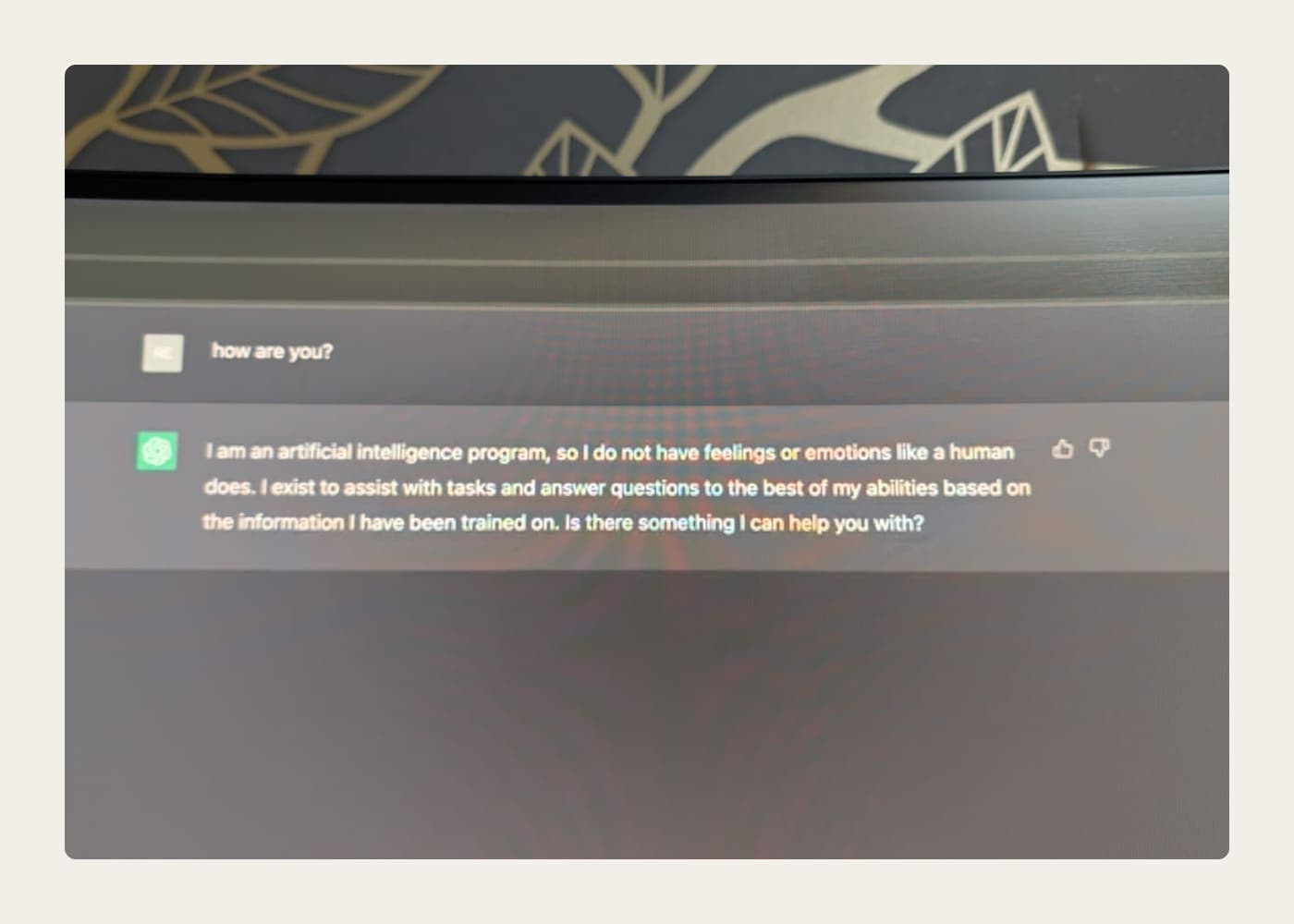
In November 2022, ChatGPT felt different from every chatbot I had built. I did not have to predict every question or create every path. I could just talk to it.
That was the first awakening. The first use was conversation. Agent systems and business workflows came much later.
Chapter 3
The small uses that made it stick
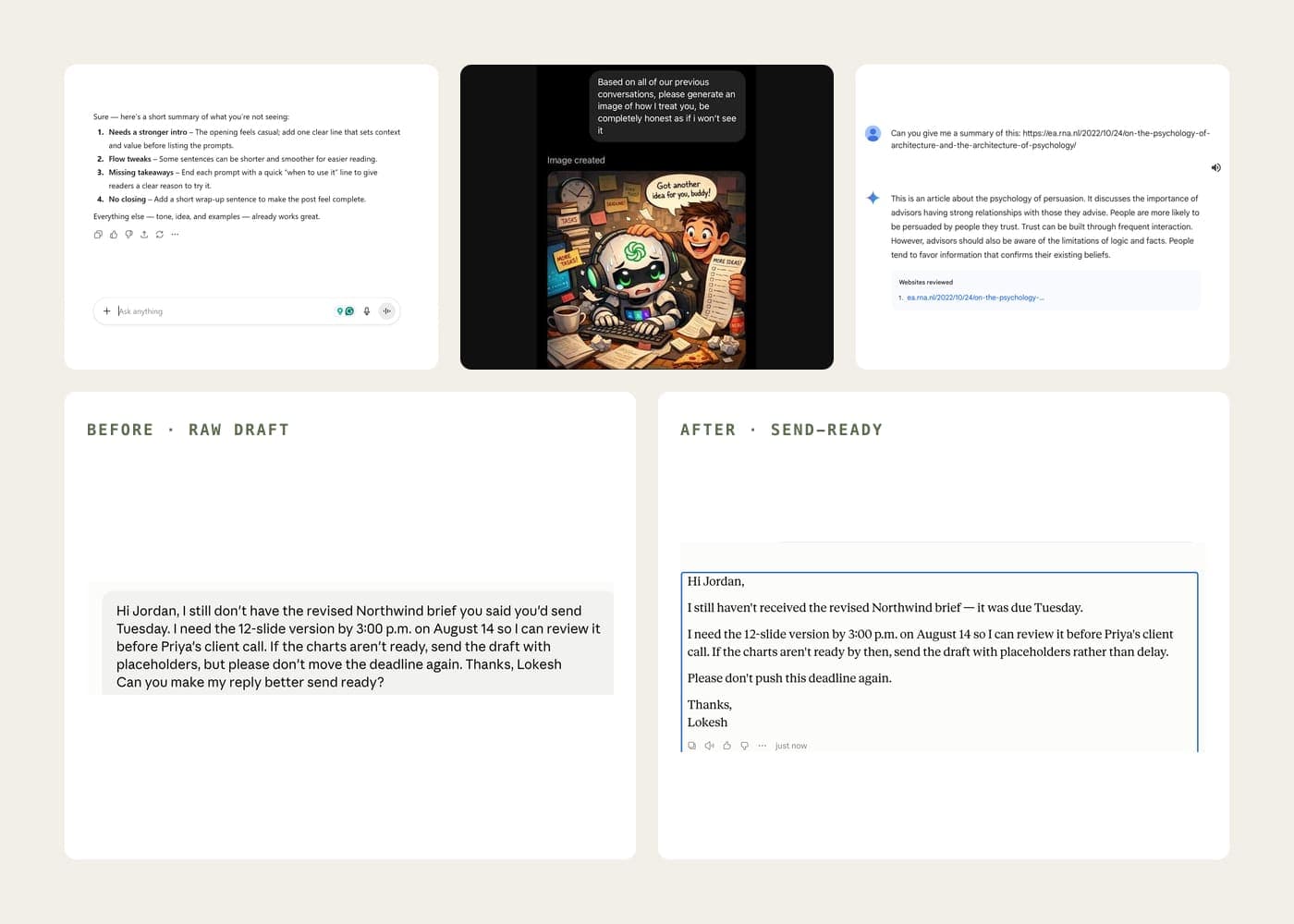
AI became useful through ordinary moments: getting unstuck in a brainstorm, comparing ideas, researching without opening dozens of tabs, improving an email, generating an image, summarizing a document, or asking a question while it was still fresh.
One of those moments may be the whole reason someone uses AI that day. It still counts. A useful habit grows because it helps. Looking advanced has nothing to do with it.
Chapter 4
Asking became making
The output began leaving the chat window. A prompt could become an image, a document, a spreadsheet, a presentation, or a published page.
I still used AI to think. I could also use it to finish something. The distance between an idea and a usable result became shorter.
Chapter 5
Useful once became reusable
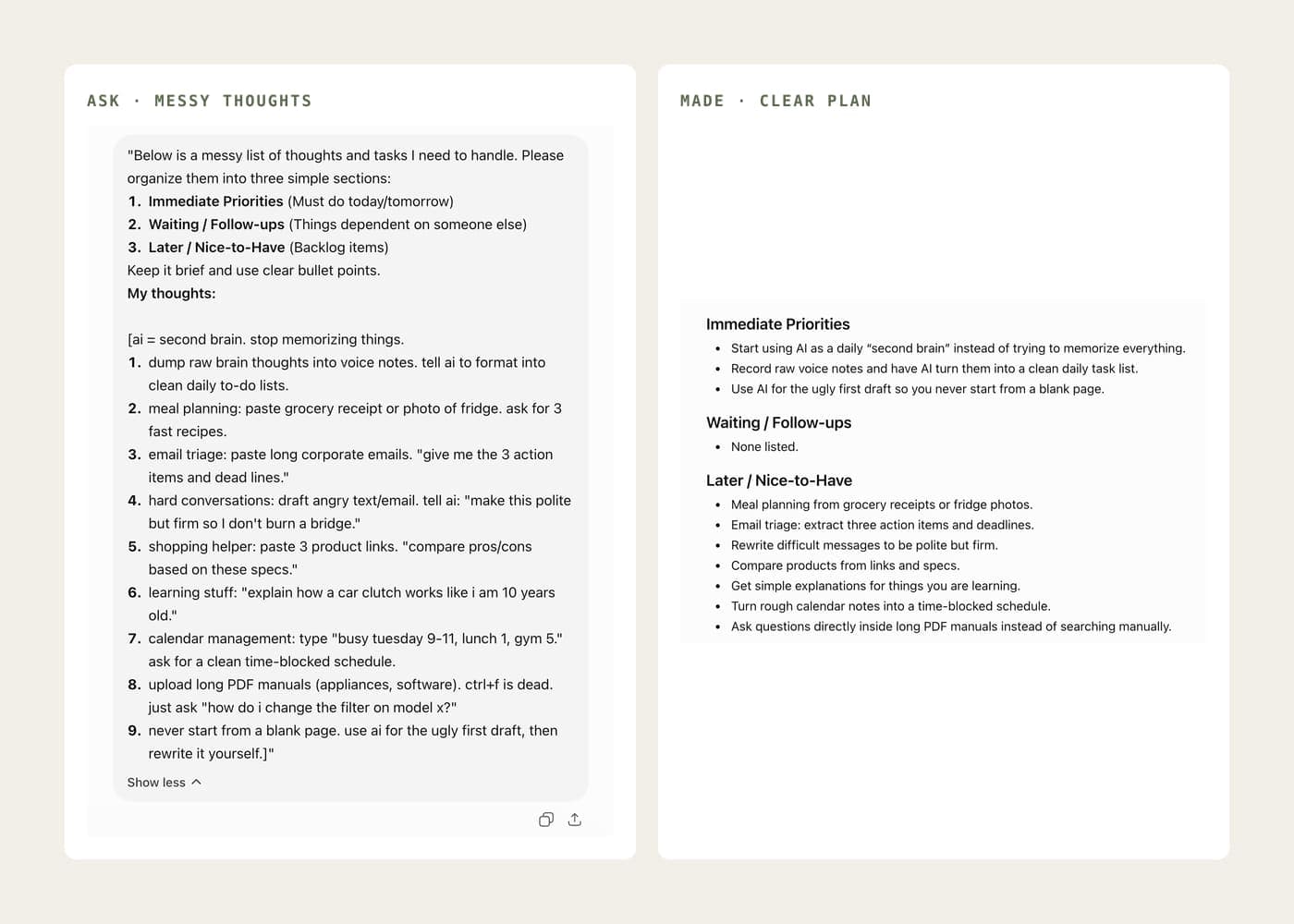
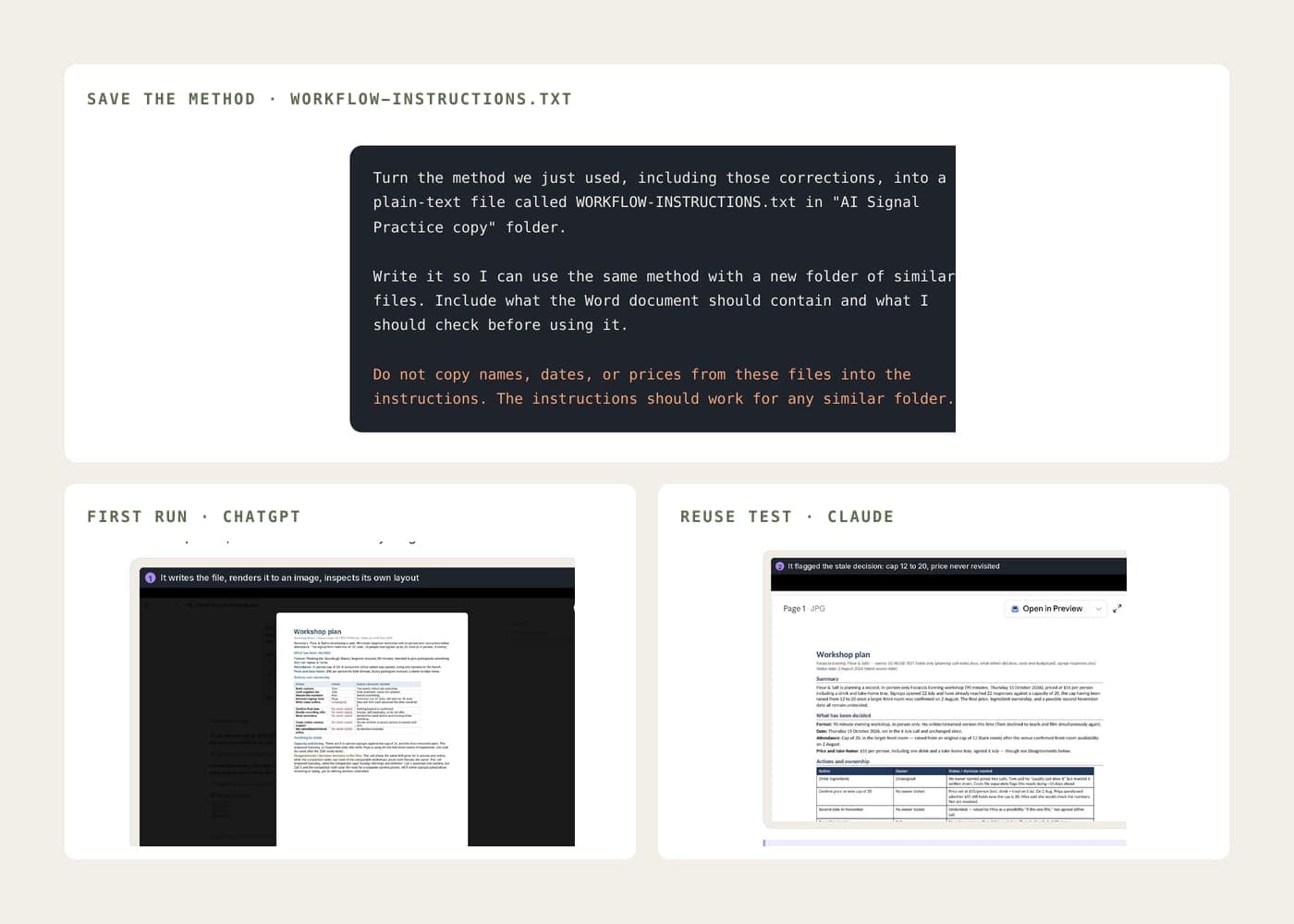
When something worked, I stopped rebuilding it from memory. I saved the instructions, context, or steps so I could use them again.
Sometimes that was a better prompt. Sometimes it was a repeatable way to research or create a file. Sometimes it became a workflow, a website, or a system used for client work. The scale changed; the move was the same: keep what worked.
Chapter 6
Work moved into projects and folders
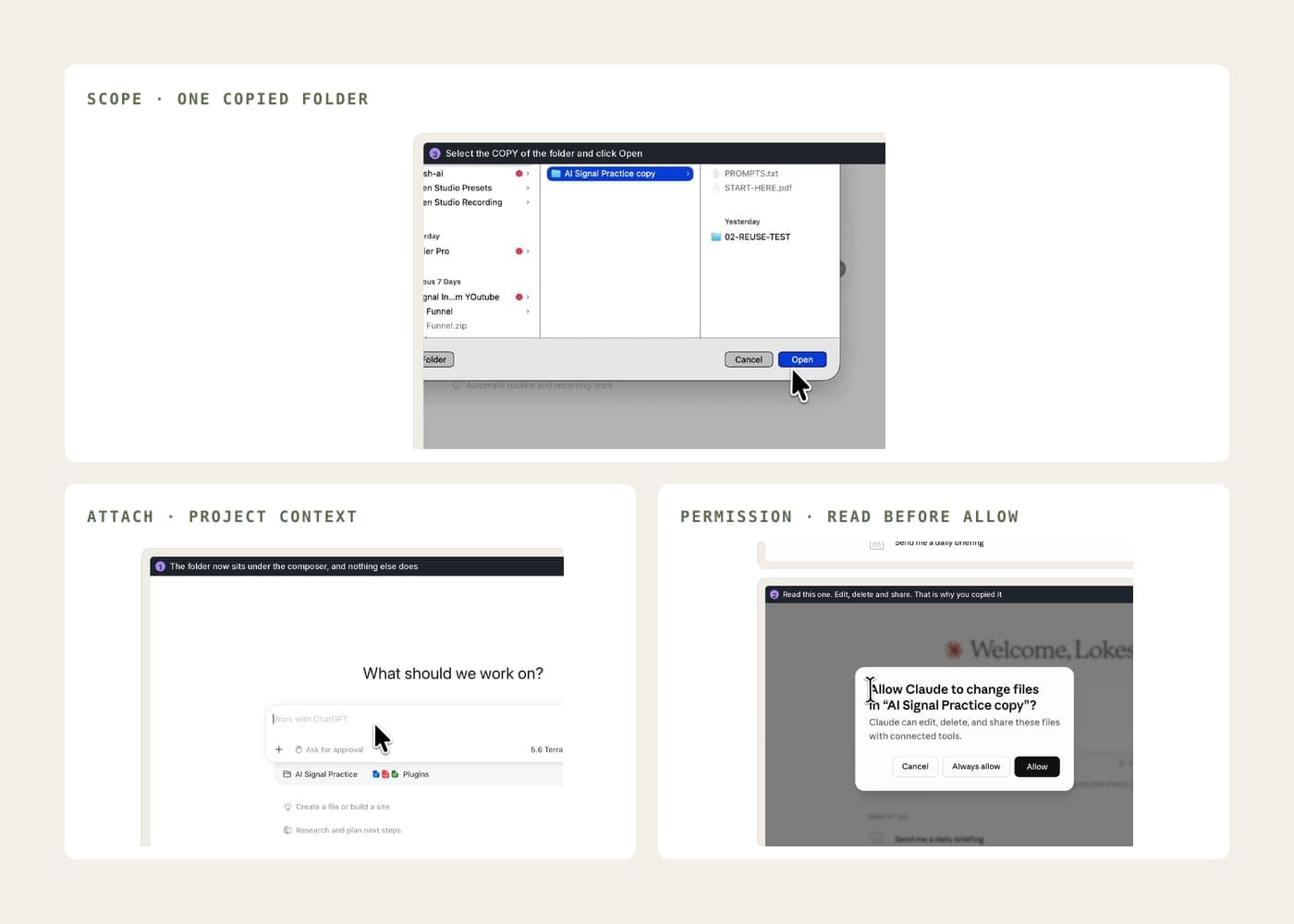
Claude Code gave me a hub for files, websites, deployments, data, and connected tools. Cowork and ChatGPT Work expanded that feeling: AI could work with the actual project instead of waiting for me to paste every piece into a new chat.
The project folder became shared context. I could make manual changes, ask another AI to continue, keep the history visible, and decide what each tool was allowed to touch.
Chapter 7
Chat for a conversation. Work or Cowork for a handoff.
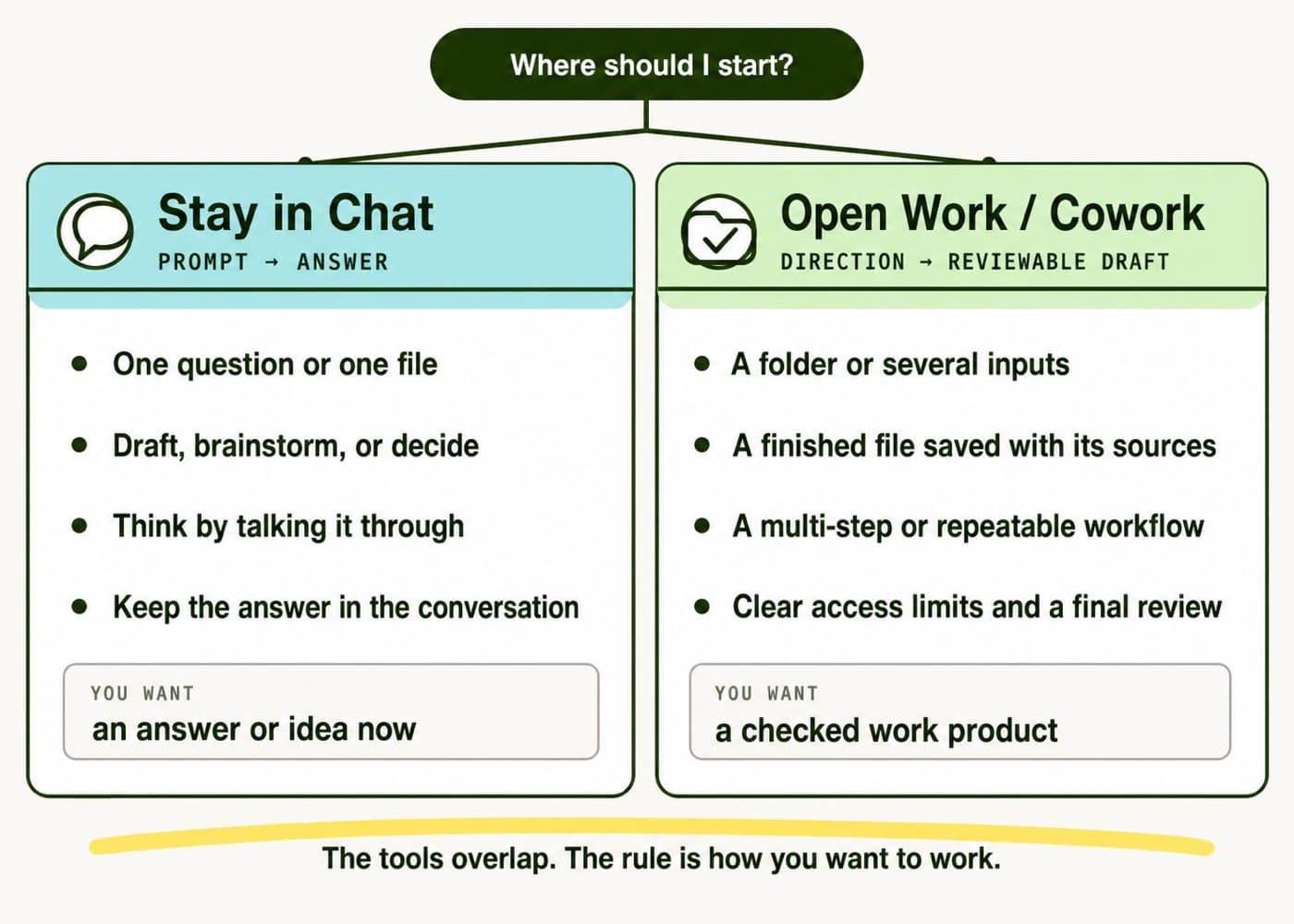
Today I choose where to start based on how I want to work.
I stay in Chat when I want the answer in the conversation itself, when I’m still figuring out what I want, or when I’m working with one file or one question. It is faster for drafting, asking a quick question, or arguing an idea through.
I open Work or Cowork when I have a whole folder of inputs, want a finished file saved next to its sources, or know I’ll run the same job again. That is when I want to hand over a bounded job and get a checked file back.
The tools overlap. Chat can read files, and Work and Cowork can hold a conversation. The rule is about how I want to work, and it tells me where to start.
I still choose what each tool can access and what happens next. That is what being under my control means to me.